

About ISTH Women's Health:
Women's health deserves the full picture
Have you ever wondered why bleeding and clotting are so often treated as separate areas of science, even though they are part of the same system? For women, this separation can have serious consequences across every stage of life.
As the organization that addresses both thrombosis and hemostasis, the International Society on Thrombosis and Haemostasis (ISTH) is uniquely positioned to bring this knowledge together. For the first time, the ISTH is uniting these two sides of blood health through a single focus on women’s health.
This Hub is your trusted starting point for understanding how bleeding and clotting disorders are connected, why that connection matters and how it impacts women worldwide. Designed for patients, healthcare professionals and policy makers, it brings the ISTH’s global expertise, science and leadership together in one place to support better understanding, better decisions and better outcomes.
One framework. Every resource.
No noise.
The ISTH Women's Health Hub is not intended to function as a separate education platform or a new repository of materials created from scratch. Its purpose is to serve as a navigational gateway to the ISTH’s authoritative resources, including clinical guidelines, peer-reviewed research, accredited training, policy statements and patient tools, organized within one framework so that patients, clinicians, researchers and policymakers can find what they need clearly and efficiently.
This Hub is informed by expert guidance from the
ISTH Global Public Affairs Committee

Beverley Hunt
Committee Co-Chair

Nicola Mutch
Committee Co-Chair

Lana Castellucci

Darko Antic

Chee Wee Tan

Brooke Sadler

Satoshi Fujii

Theresa Nwagha

Soledad Molnar

Martin Lee
Why we built this hub
Thrombotic and bleeding disorders uniquely affect women across their reproductive lifespan. Venous thromboembolism is a leading cause of preventable maternal death. Bleeding disorders such as von Willebrand disease and hemophilia are systematically underdiagnosed in women. Postpartum hemorrhage remains a global crisis. These are not isolated issues. They share biological roots, clinical overlap and systemic gaps in recognition and care that demand a coordinated response.
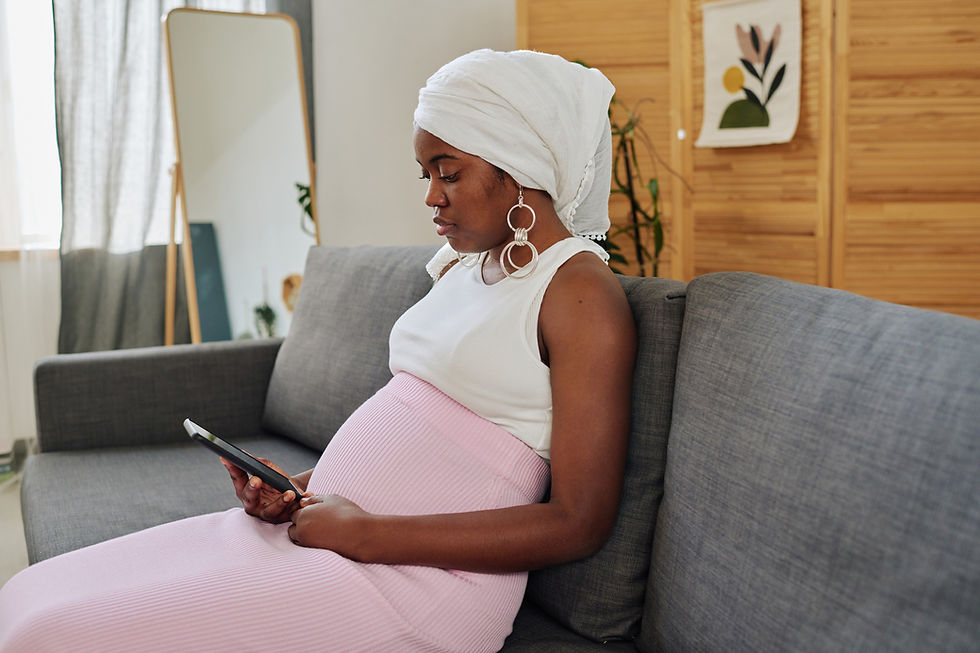

ISTH's commitment to women's health
The ISTH is committed to advancing women’s health by improving the understanding, prevention, diagnosis and treatment of bleeding and clotting disorders across all stages of life. Through global collaboration, education and research, the ISTH works to ensure that women’s unique health needs are recognized, studied and addressed, leading to better outcomes worldwide.
In regions where disparities in care remain significant, healthcare professionals need trusted, practical resources to help recognize and manage bleeding and clotting disorders in women. This Hub can help meet that need, and I applaud the ISTH for taking a leadership role in bringing these resources together.
Theresa Nwagha, MBBS, MD, FMCPath, MPH
ISTH Global Public Affairs Committee Expert

Science is essential to understanding women’s bleeding and clotting, helping to uncover causes, improve diagnosis and ensure the right treatment at the right time.

The need
Women’s bleeding and clotting conditions are too often overlooked or misunderstood, highlighting the urgent need for greater awareness, research and care tailored to women’s unique health needs.

Take action
Taking action with policymakers and ministries of health is essential to ensure women’s blood health is prioritized through stronger policies, better access to care and sustained investment in research and education.
.png)

Share your resources
This resource hub grows with the contributions of the global community working to improve women's bleeding and clotting health. If you have a resource that could help patients, clinicians or policymakers worldwide, we want to hear from you.
Browse our current resources by topic, then share your own to help us build the most comprehensive hub for women's hemostasis and thrombosis resources available. All submissions are reviewed by the ISTH Global Public Affairs Committee.